
 EN
EN
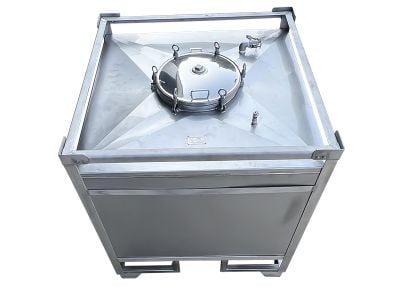
Izbor odgovarajućeg spremnika za IBC za vaše tekućine je izuzetno važan. Znamo kako vam pomoći odabrati najbolji rezervoar za vaše potrebe. IBC spremnici su veliki spremnici koji skladište tekućine, iako nisu svi IBC spremnici isti. Imaju različite karakteristike, kao što su konzistencija, temperatura i mogu li oštetiti spremnik.
Nađite pouzdane IBC spremnike koji odgovaraju vašim potrebama za tekućinom
Kad netko traži rezervoar za IBC, vjerojatno ne traži nešto što će dovesti do nereda ili pokvariti njihove tekućine. Derksen ima nekoliko IBC spremnika koji su napravljeni za nošenje različitih vrsta tekućine. Možete biti svoj pretraživanje na mreži. Pročitaj specifikacije za svaki tenk. Također je važno uzeti u obzir materijale od kojih je spremnik izrađen. Na primjer, ako je vaša tekućina vrlo kisela, trebate spremnik koji se neće korozirati i ne bi pucao. Također, možete tražiti savjet od Derksen profesionalaca koji znaju puno o tenkovima. Mogu ti pomoći da shvatiš što ti treba.
Česti problemi s korištenjem rezervoara IBC i kako ih spriječiti
Iako su IBC spremnici odlični, ako se ne koriste ispravno, mogu doći do problema. A jedan od najčešćih problema je prepunjenje spremnika. Međutim, ako ga napunite, tekućina bi se mogla prosuti. To može biti nered, i opasno. U svakom slučaju, provjerite maksimalni nivo punjenja prije nego što počnete. Također, budite oprezni prilikom prevoza spremnika. Ako je puna i ne imate poklopac, može se prevrnuti. Rezervoar mora stajati na ravnom površinu s pravim pristupom za njegov prijenos s jednog mjesta na drugo. Drugi problem je kontrola temperature. Neke tekućine moraju biti održane na određenoj temperaturi. Ako se spremnik pretjerano zagrije ili prehladi, to može utjecati na svojstva tekućine. To se posebno odnosi na poznate kemikalije.
Kako prepoznati rezervoar za opasne tekućine
Kada je riječ o opasnim tekućinama, od izuzetne je važnosti odabir odgovarajućeg spremnika za IBC. Svaka tekućina može biti opasna, pa trebamo poseban spremnik da ga stavimo. Počnimo s materijalom koji je čevlja s mješačem je napravljen od. U skladu s člankom 3. stavkom 2. Za opasne tekućine obično se preferiraju spremnici napravljene od polietilena visoke gustoće (HDPE), jer su otporne na mnoge kemikalije.
Pronađite rezervoare IBC pogodne za moje potrebe za tekućinom
Postoji nekoliko izvora za kupnju IBC spremnika, ali morate se pobrinuti da bilo koji koji odaberete kupiti je siguran za upotrebu s vrstom tekućine koju namjeravate pohraniti. Postoji nekoliko IBC Tote tvrtki online, ali najbolje je pronaći jednu koja se specijalizira za prodaju spremnika kao što je Derksen. Imamo niz vodeni plastici dizajniran za različite tekućine. Kada odete na početnu stranicu ili posjetite trgovinu dobavljača, informacije o tome kakve vrste spremnika oni prodaju trebale bi biti lako dostupne. Također je važno pažljivo pročitati opise.
3 Nerazumijevanja u izboru IBC spremnika
Izabrati pravi IBC spremnik je kritično, ali pogreške se mogu napraviti na tom putu. Jedna velika greška je ignoriranje svojstava tekućine koju čuvate. Na primjer, neke tekućine mogu proždrbiti neke materijale. Ako izaberete plastično spremište vode ako je napravljena od materijala koji se može razgraditi, može dovesti do curenja ili prolivanja. Najlakši način da se to riješi je prvo istraživati kemijska i mehanička svojstva tekućine prije kupnje spremnika. Još jedna greška je zanemarivanje temperature tekućine. A neke tekućine moraju biti na određenoj temperaturi kako bi ostale sigurne. Ako rezervoar nije napravljen za vruće ili hladne temperature, može se pokvariti ili postati nesiguran.